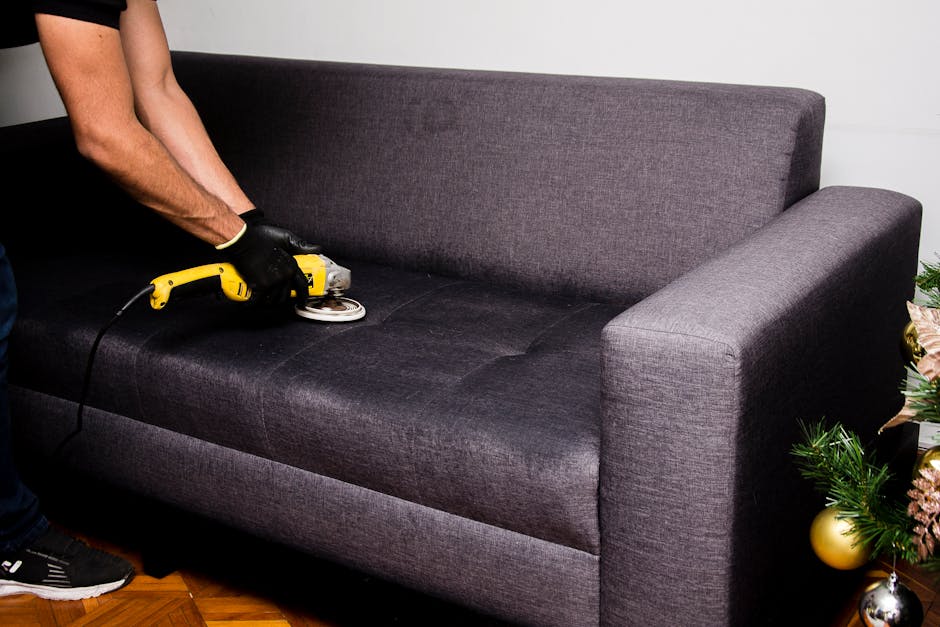
SE19 upholstery cleaning tips for homes near Crystal Palace Park

If you live in SE19 and your home is near Crystal Palace Park, upholstery has a way of collecting the little bits of everyday life: muddy hems after a walk, damp coats in the hallway, pet hair on the sofa, the occasional coffee spill that looks harmless until it dries. The good news? With the right SE19 upholstery cleaning tips for homes near Crystal Palace Park, you can keep fabric, leather, and mixed-material furniture looking fresher for longer without making a meal of it.
This guide is built for real homes, not showroom perfection. You'll learn how upholstery cleaning works, what to do before a stain sets, which methods suit different fabrics, and when it makes more sense to call in a professional. There's a local angle here too: homes around Crystal Palace Park often deal with a bit more outdoor moisture, seasonal pollen, and foot traffic than you'd expect. Nothing dramatic. Just enough to make routine care matter.
To make things easier, we've laid everything out clearly below.
Why SE19 upholstery cleaning tips for homes near Crystal Palace Park Matters
Upholstery takes a surprising amount of abuse. A sofa isn't just where you sit. It's where snacks happen, naps happen, and the dog somehow ends up after a wet walk. Near Crystal Palace Park, there's also a bit more of the outdoors getting tracked in: fine dirt, damp, pollen, and the general grime that comes with a busy London household. Over time, that build-up dulls colour, flattens fibres, and makes a room feel less cared for even when the rest of the house is tidy.
The reason upholstery care matters goes beyond appearance. Embedded dust can affect how fresh a room smells. Spills can become stubborn marks. Body oils and regular friction can wear down armrests and headrests. If you have children, tenants, frequent visitors, or pets, the pace of wear can be faster than you realise. Truth be told, many people only notice the damage once the contrast is obvious: the cushion in the sunny corner looks fine, while the seat by the window is a shade darker and a bit tired around the edges.
That's why a local, practical approach works best. You don't need to over-clean everything. You just need to understand what the fabric can handle, clean the right way, and stop problems early. That small bit of discipline saves a lot of hassle later on. And yes, it really does make the whole room feel lighter.
How SE19 upholstery cleaning tips for homes near Crystal Palace Park Works
At its core, upholstery cleaning is about removing soil without damaging the fibres, dyes, backing, or cushioning underneath. That sounds simple, but the process changes depending on whether the material is woven fabric, velvet, microfiber, cotton blend, wool mix, leather, or a synthetic finish. A good clean starts with identifying the fabric and the type of dirt you're dealing with. Is it dry dust? Water-based marks? Grease? Pet odour? Different issues need different treatment.
Most effective upholstery care follows a similar pattern. First, remove loose debris with vacuuming or brushing. Then test a small hidden area before applying any liquid. After that, treat stains carefully, working from the outside in so the mark doesn't spread. Finally, dry the area properly. That last part matters more than people think. A sofa that is left too damp can end up with odour, water marks, or distorted pile. Nobody wants that slightly musty smell that turns up the next day, does they?
Professional upholstery cleaning generally goes a step further. Depending on the item and the fabric code, a technician may use low-moisture cleaning, hot-water extraction, dry compound methods, or specialised stain removal products. If you're comparing options, it helps to understand that professional upholstery cleaning is less about one single machine and more about matching the method to the material and condition.
For homes in SE19, especially those around park-side streets and busy family routes, routine maintenance plus occasional deep cleaning is often the most realistic model. A quick weekly tidy keeps on top of dust and crumbs. A more thorough clean is what helps fabrics last.
Key Benefits and Practical Advantages
The obvious benefit is a cleaner-looking sofa or armchair. But the practical gains go further than that. If you've ever sat on a sofa that feels a bit greasy even though it looks okay, you already know what I mean. Fabric can hold onto odours, skin oils, and dust in a way that changes how a room feels.
- Better appearance: Colours stay brighter and the fabric looks more even.
- Longer lifespan: Removing grit and embedded dirt reduces friction on fibres.
- Improved freshness: Regular cleaning helps limit stale odours from pets, food, or damp shoes.
- More comfortable living space: Clean upholstery makes a room feel genuinely cared for.
- Better stain control: Fresh spills are easier to remove than old, set marks.
- Useful for moving dates: Deep-cleaned furniture can be a big help during move-in cleaning or before a move-out cleaning checklist.
There's also a small but real morale boost. When the sofa feels clean, the whole living room feels less cluttered, even if nothing else changed. That's not fluff. It's just how homes work.
For some households, upholstery care is also part of a broader reset. A one-off deep refresh can sit nicely alongside deep cleaning or even one-off cleaning if the house has had a busy season, building work, guests, or a long stretch without proper maintenance.
Who This Is For and When It Makes Sense
This guide is for anyone in SE19 who wants a practical, low-drama way to look after upholstered furniture. That includes homeowners, renters, landlords, families with kids, pet owners, and people who simply want their place near Crystal Palace Park to feel a bit more polished.
It makes especially good sense if you notice any of the following:
- seat cushions are looking darker than the rest of the piece
- there's a lingering smell after spills or pet accidents
- dust or lint keeps collecting in creases and seams
- a stain has set because it was left too long
- you're preparing for guests, tenants, or a property inspection
- your sofa or armchair hasn't had a proper clean in quite a while
If your home sees a lot of visitors, upholstery cleaning also becomes part of your regular care rhythm, a bit like window cleaning or floor care. It doesn't need to be a huge project every time. Sometimes just knowing what to do first is enough to stop a mess getting worse.
For households with pets, it can be sensible to combine sofa care with pet stain and odour removal. Pet issues are their own little world, let's face it.
Step-by-Step Guidance
Here's a straightforward process you can use at home before reaching for anything stronger. Keep it calm and methodical. Rushing is where most mistakes start.
- Check the care label. Look for fabric codes or cleaning guidance. If the item says professional cleaning only, take that seriously.
- Vacuum thoroughly. Use a clean upholstery attachment and work into seams, buttons, and tucked edges.
- Test a hidden spot. A side panel or rear edge is better than the visible front. A tiny test can prevent a big headache.
- Deal with loose stains first. Blot, don't rub. Start from the outside and work inward to avoid spreading.
- Use the mildest suitable solution. A little warm water and fabric-safe cleaner is often enough for fresh marks.
- Apply sparingly. Over-wetting is a common reason upholstery ends up with rings or slow-drying patches.
- Blot and repeat gently. It usually takes patience rather than force.
- Dry properly. Open windows if you can, use air flow, and avoid sitting on the fabric until it's dry.
For stubborn stains, it's often smarter to stop before you make them larger. A fresh coffee spill on a pale armchair can sometimes be improved quickly, but an old grease patch or dye transfer is another story. If a stain has already soaked deep, a dedicated stain removal approach may be needed rather than a general wipe-down.
One small practical tip: if you clean only the stained patch, the result can look uneven. Many people miss that. Sometimes you need to clean a larger surrounding area so the finish blends properly. Not perfect, just better. And that is enough most of the time.
Expert Tips for Better Results
After years of watching people either overdo upholstery care or avoid it until the sofa gives up, a few patterns become obvious.
1. Work from the least aggressive method upward. Vacuum first, then spot treat, then deeper clean only if needed. Starting with a wet cleaner is usually backwards.
2. Keep moisture under control. Upholstery isn't like a tiled floor. It holds water. If you soak the padding, drying becomes slower and smellier. Not glamorous, but true.
3. Match the method to the fabric. Microfiber, wool blends, velvet, and leather all behave differently. A method that works on one may flatten or mark another.
4. Don't chase every mark immediately with the same product. Some stains need absorption first. Others need lifting, not scrubbing. If in doubt, pause.
5. Use soft brushes with care. A soft fabric brush can lift dust and restore texture, but too much pressure can change the pile. Light hands win here.
6. Treat odour separately from visible dirt. A clean-looking cushion can still smell stale. Odour often sits deeper than the surface.
7. Think about the room around the furniture. If nearby windows are dirty, there may be more dust entering the room than you'd expect. Pairing upholstery care with window cleaning or even regular cleaning can make the result last longer.
And a small human note: if the sofa looks dreadful, sometimes one careful session changes the room more than you'd expect. I've seen people stand back afterwards and laugh because it suddenly felt like a different house.
Common Mistakes to Avoid
Most upholstery damage doesn't come from one catastrophic event. It comes from a series of well-meaning mistakes.
- Rubbing stains too hard: this pushes dirt deeper and can rough up fibres.
- Using too much water: excess moisture can leave tide marks or slow drying.
- Skipping the patch test: a hidden test spot is boring, but essential.
- Using harsh bleach-based products: these can strip colour or weaken fabrics.
- Mixing cleaners: this is unpredictable and not worth the risk.
- Ignoring the care label: manufacturer guidance exists for a reason.
- Letting pets or people use the furniture before it is dry: pressure and friction can undo the clean.
Another common issue is trying to rescue a stain after it has already set for days or weeks. That doesn't mean it's impossible. It just means expectations need to be realistic. Some marks lighten, some lift, and some are simply part of the fabric's story now. A professional may still improve them significantly, but honest assessment matters.
If you're cleaning after decorating, moving furniture, or post-renovation dust, the upholstery may need more than a standard spot treatment. In those cases, after builders cleaning can be a useful wider reset for the home environment.
Tools, Resources and Recommendations
You don't need a cupboard full of gadgets. A few sensible items are usually enough for good home care.
- Upholstery attachment for vacuuming: essential for seams and corners.
- Soft brush: useful for loosening dry debris and lifting nap.
- Microfibre cloths: good for blotting and gentle wiping.
- White towels: handy because you can see what you're lifting out.
- Fabric-safe cleaner: choose one suitable for your upholstery type.
- Fan or open-window drying strategy: this helps a lot on damp days.
If you're comparing a few service options for a deeper clean, a local provider's pricing and quotes page can help you understand what is included before you book. For people who want to check what the company stands for, about us, insurance and safety, and recycling and sustainability are also sensible pages to review.
That last point matters. Upholstery cleaning isn't just about what happens on the day. You want to know the cleaner uses safe methods, protects your home, and works in a way you're comfortable with. Very ordinary concerns, really, but important ones.
Law, Compliance, Standards, and Best Practice
For most homeowners, upholstery cleaning is not a heavily regulated activity in the way that medical or food hygiene work is. Still, there are clear best-practice expectations in the UK that are worth respecting. If you hire someone, it's reasonable to expect safe handling of cleaning products, sensible risk awareness, and care around electrical equipment, carpets, and furnishings.
In a domestic setting, common-sense compliance usually means:
- following product instructions carefully
- avoiding harsh chemicals on delicate fabrics
- checking whether the fabric needs specialist treatment
- keeping areas ventilated during cleaning and drying
- using equipment properly to prevent water damage or slips
If a company is entering your home, you may also want reassurance around insurance, complaint handling, privacy, and payment security. Those things are not glamorous, but they matter. A professional provider should have clear policies and be happy to explain them in plain English. If you want that kind of reassurance, pages like health and safety policy, payment and security, privacy policy, and terms and conditions are the sort of thing sensible customers check. Not because they expect trouble, but because they like to know where they stand.
For rentals and move-related cleaning, upholstery condition can sometimes affect your overall presentation, especially if the property is being viewed or handed back. It's one part of the bigger picture, along with end of tenancy cleaning and other room-by-room maintenance. A tidy sofa won't solve everything, obviously, but it helps more than people think.
Options, Methods, or Comparison Table
Choosing the right upholstery cleaning method is mostly about fabric type, stain type, and how much risk you're willing to take with moisture. Here's a simple comparison to make the decision easier.
| Method | Best for | Pros | Watch out for |
|---|---|---|---|
| Vacuuming and brushing | Routine upkeep, dust, crumbs, pet hair | Quick, safe, cheap, effective for maintenance | Won't remove deep stains or odours |
| Spot cleaning | Fresh spills and small marks | Targeted and practical | Can spread stains if overdone |
| Low-moisture cleaning | General refresh on suitable fabrics | Faster drying, lower risk of saturation | Not ideal for every stain type |
| Hot-water extraction | Deeper soil and more heavily used fabric | Thorough clean when correctly applied | Too much water can cause issues if fabric is delicate |
| Dry cleaning methods | Sensitive materials and some delicate items | Useful where moisture must be limited | Needs proper product selection and technique |
If you're not sure which route is best, think like this: the more delicate the fabric, the more cautious the approach should be. The more embedded the dirt, the more likely a deeper method is needed. Simple enough in principle. In practice, a bit fiddly.
For larger homes or mixed rooms, upholstery care often sits alongside other services such as sofa cleaning, curtain cleaning, or rug cleaning. That kind of combined approach can make a whole house feel more consistent, which is usually what people are after.
Case Study or Real-World Example
Consider a typical SE19 family living not far from Crystal Palace Park. They have a fabric corner sofa in the living room, two school-age children, and a dog that comes back from the park a little too pleased with itself after muddy weather. The sofa doesn't look destroyed. It just looks lived-in in a way that has started to bother them.
They begin with vacuuming, including the seams and the back cushions. That removes a surprising amount of grit. Next, they spot a pale drink mark on one seat cushion and a faint smell near the arm where the dog likes to rest. They test a small hidden area first, then use a fabric-safe cleaner very lightly rather than soaking the cushion. The drink mark fades, the odour improves, and the sofa dries by the next day with the windows open for airflow.
What made the difference? Not miracle products. Just sequence, patience, and restraint.
A few weeks later, they decide to keep on top of it with lighter weekly vacuuming and occasional spot care instead of waiting for another full refresh. The result is not perfection. It's better than that. It's manageable. And for most homes, manageable is the real win.
That same logic applies in other settings too. If you're handling guest turnover for Airbnb cleaning or keeping a family property ready for viewings, upholstery care can be one of those quiet details that makes a place feel properly looked after.
Practical Checklist
Use this before you start any upholstery clean at home.
- Confirm the fabric type and care label.
- Vacuum all cushions, seams, and hidden creases.
- Check for pet hair, crumbs, and grit before using liquids.
- Test any cleaner on a hidden section first.
- Blot spills instead of rubbing them.
- Use the smallest effective amount of moisture.
- Allow proper drying time before using the furniture again.
- Keep the room ventilated where possible.
- Separate visible stain treatment from odour control if needed.
- Call a professional if the fabric is delicate or the stain has set.
Quick takeaway: good upholstery care is mostly about restraint. Clean early, clean lightly, and dry properly. That's the formula. Nothing flashy, but it works.
Get a free quote today and see how much you can save.
Conclusion
Good upholstery cleaning in SE19 isn't about making every sofa look untouched. It's about keeping your home comfortable, fresh, and easier to live in, especially when you're near Crystal Palace Park and life comes in with a bit of extra outdoor dust, moisture, and movement. If you take care of stains early, respect fabric limits, and avoid over-wetting, you'll protect your furniture far longer than most people do.
If you remember only one thing, make it this: treat upholstery gently, but not lazily. A little routine care goes a long way, and a careful deep clean at the right time can reset a room in a way that feels surprisingly satisfying. Sometimes the nicest home improvement is just a sofa that smells clean again.
And honestly, that's a lovely thing to come back to at the end of the day.
Frequently Asked Questions
How often should upholstery be cleaned in a home near Crystal Palace Park?
It depends on how much the furniture is used, but most homes benefit from weekly vacuuming and a deeper clean when the fabric starts to look dull, feel tacky, or pick up odours. Homes with pets or children usually need more frequent attention.
Can I clean upholstery myself, or should I hire a professional?
You can safely handle routine vacuuming, light spot treatment, and gentle maintenance at home. A professional is usually the better option for delicate fabrics, deep stains, odour problems, or anything with a care label that restricts DIY cleaning.
What is the safest way to remove a fresh spill from a sofa?
Blot it immediately with a clean cloth or towel, working from the outside of the spill inward. Avoid rubbing. Use the mildest fabric-safe cleaner that suits the material, and test a hidden area first.
Why does my upholstery smell stale even after vacuuming?
Vacuuming removes loose debris, but odours can sit deeper in the fibres or padding. Food, pets, body oils, and moisture can all contribute. You may need targeted odour treatment or a deeper clean.
Is steam cleaning safe for all upholstery?
No, not all upholstery can handle steam or heavy moisture. It can work well on some sturdy fabrics, but delicate materials may shrink, mark, or hold water too long. Always check the care label and fabric type first.
What fabrics are most difficult to clean?
Delicate woven fabrics, velvet, some wool blends, and mixed materials with unknown care instructions can be trickier. Leather also needs its own approach rather than a standard fabric-cleaning routine.
How do I prevent stains from setting into upholstery?
Act quickly, blot rather than rub, and avoid soaking the area. The longer a stain sits, the more likely it is to bind with the fibres. Fresh attention makes the biggest difference.
Can upholstery cleaning help with pet odours?
Yes, but visible cleaning and odour removal are not always the same thing. If pets regularly use the sofa or chair, you may need more than surface cleaning. A dedicated pet treatment can help reduce lingering smells.
What should I check before booking upholstery cleaning?
Check that the provider is clear about fabric suitability, drying expectations, insurance, pricing, and what is included. It also helps to review their complaints procedure and other service information so you know what to expect.
How long does upholstery take to dry?
Drying time varies depending on the fabric, cleaning method, and room ventilation. Lighter cleaning may dry fairly quickly, while deeper methods can take longer. Good airflow makes a noticeable difference.
Can I use the same cleaner on my sofa and curtains?
Not automatically. Even though both are soft furnishings, they may be made from different fabrics and react differently to moisture and cleaning products. It's better to treat each item separately and check care instructions for both.
What is the biggest mistake people make with upholstery cleaning?
Over-wetting is probably the most common problem, followed closely by rubbing stains too hard. People often mean well, but a bit too much product or pressure can make the issue worse instead of better.
Is upholstery cleaning worth it before moving house?
Yes, especially if the sofa or chairs are staying in the property, or if you want the home to feel fresh for viewings. It can also support broader move-related services such as move-in cleaning and move-out cleaning.